Workflow
Manual YouTube Comment Analysis or a Tool?
Manual comment analysis is a useful starting point. It becomes expensive when many comments, similar phrasings, and multiple videos are involved. The right approach depends on volume and the decision you want to make.
In short
Manual work is ideal for learning. A tool becomes valuable when it structures large volumes while showing how every result comes from real comments.
When manual analysis is enough
For a small video with a manageable comment section, collect comments in a spreadsheet. Columns for topic, category, likes, recurring viewers, and evidence links already create useful structure.
Manual work is also valuable when you want to learn your community’s language and inspect one comment section closely.
Where manual work reaches its limit
As volume grows, common errors appear: similar statements are not grouped, early comments receive too much weight, and thread replies are mixed with genuine content requests.
The result can look thorough while still prioritising the wrong topic. The biggest risk is treating one loud opinion as a trend.
What a useful analysis tool should show
A tool should not only produce a score or word cloud. The important output is an inspectable topic, demand signals, different viewers, and original comments. Without evidence, it is difficult to know why one idea ranks above another.
- clear separation of topics, praise, and criticism
- similar statements recognised despite different wording
- evidence and numbers for every prioritised topic
- a concrete next action rather than a summary alone
The strongest combination
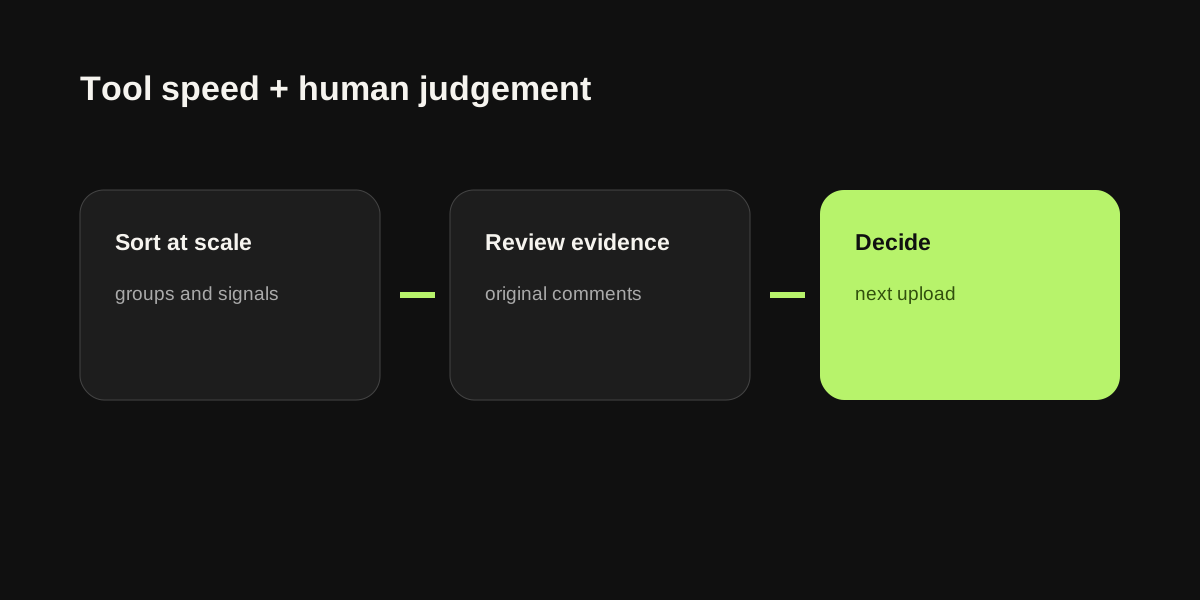
Automate the first grouping and prioritisation, then review the most important evidence yourself. This saves time on discovery while keeping the editorial decision where it belongs: with you.
Compare methods fairly
Manual work offers maximum control and is ideal for small samples. Its weakness is consistency: two people may label and prioritise the same statements differently. A tool improves speed and repeatability, but it does not replace editorial review.
Compare methods with the same questions: Are similar phrasings grouped? Are replies separated from top-level comments? Can every result be traced to original evidence? These criteria matter more than an impressive interface.
A practical combined workflow
A strong process combines both approaches: let the tool sort a large volume, review the most important topics, and reject inaccurate summaries. Move only confirmed topics into the editorial calendar.
Keep the original comments and your decision. After publishing, check whether the video actually answered the need. Analysis then becomes a learning loop rather than a one-time report.
A checklist for choosing your workflow
Estimate volume and purpose before choosing a method. If you want to learn your community’s language, a small manual sample is enough. If you want to compare videos or find topics regularly, you need a repeatable process with saved evidence.
Test a tool on a comment section you already understand. Compare its grouping with your own judgement and check that important original comments remain visible. Faster output is only better when you can still evaluate its foundation.
- estimate comment volume
- define the analysis goal
- test the tool on a known example
- check evidence and replies
- keep the editorial decision human
Work with restraint and traceability
Whatever method you use, process only the information needed for the decision. Keep evidence, categories, and aggregated signals in a form you can review without creating an unwieldy export.
A useful workflow also continues after the topic list. Mark which idea was published and compare the audience response later. That is how you learn whether the method really saves time and supports better decisions.
Set a clear review point: which results can enter the editorial calendar directly, which need human review, and which should be rejected? These rules make the workflow faster without handing editorial judgement to an opaque automation. This keeps it clear where human judgement is essential and which steps can safely be standardised. Document the rules briefly so team members can make and review the same decisions later. A short review per video makes improvement visible across multiple uploads.
Frequently asked questions
When is manual YouTube comment analysis enough?
For a small comment section, a spreadsheet with topic, category, likes, frequency, and evidence link is often enough. Manual work is also useful when you want to learn your community’s language closely.
When is a YouTube comment analysis tool worth using?
A tool becomes useful when many comments, multiple videos, or similar phrasings make manual grouping slow and inconsistent. The output should remain inspectable and evidence-based.
What should a good comment analysis tool show?
It should group similar statements, separate topics from praise and criticism, show demand and original comments, and lead to a concrete next action.