Content planning
How to Find Video Ideas in YouTube Comments
Your best next video ideas may already be sitting below your uploads. The challenge is not finding comments, but recognising the shared need behind many different phrasings.
In short
A strong video idea is a recurring viewer need in a form you can answer, supported by several independent comments.
Start with the need, not the title
Viewers rarely write a finished video brief. They ask about one detail, describe a problem, or request an example. These comments are raw material. When several viewers point to the same need, it can become a standalone video.
Summarise each comment neutrally first: what does this person want to understand, try, compare, or see next?
Four signals of a strong idea
Not every request has the same strength. Repetition, independence, specificity, and fit with the existing video provide a better basis for prioritisation than likes alone.
- Several viewers raise the topic independently.
- The comments contain a concrete question or problem.
- One video can answer the need clearly.
- The idea fits the interests of the existing audience.
Turn a topic into a video brief
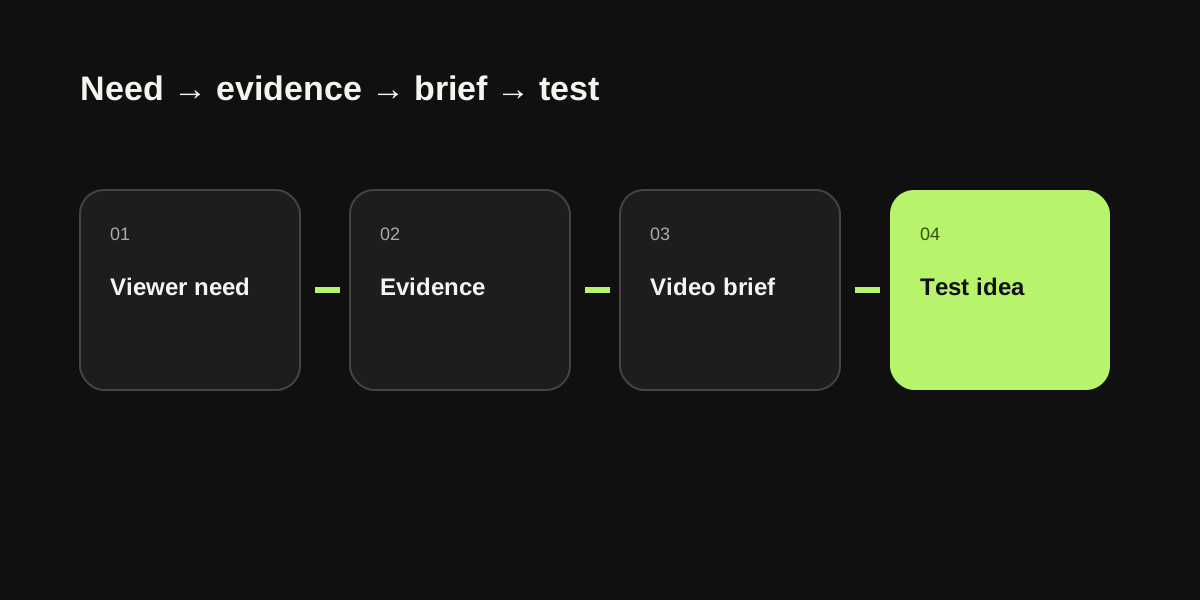
A topic label is not yet a production plan. A useful brief contains the core viewer question, demand signals, representative evidence, and a possible structure. This keeps the idea grounded in the community while making it filmable.
Write title suggestions last. Otherwise you may optimise the packaging of an idea that was based on one comment in the first place.
Comments you should not overvalue
Provocative one-off comments, pure praise, and long side discussions can attract attention without showing a new content need. Keep them in context, but do not automatically put them on the next-upload list.
Turn a comment into a useful brief
A useful video brief can start with a sentence such as: viewers want to understand why their result differs from mine. Add the audience, desired outcome, evidence from the comments, and the key follow-up questions. Only then choose whether a tutorial, comparison, FAQ, or practical example is the right format.
This order protects you from clickbait. A title can create curiosity, but it should promise exactly what the video will answer. Comments provide both the topic and the language your audience uses to describe the problem.
Test an idea before production
Before producing a full video, test the idea with a Community post, short clip, or follow-up question. If more viewers describe the same problem, confidence grows that the need extends beyond the original comments.
Do not judge the test only by the number of reactions. Look for new people adding specific details. Those additions show whether you found a real need or merely repeated one person’s wording.
A checklist for a strong video idea
Write the idea as a viewer problem before you write a click-driven title. Add the outcome viewers should reach and the evidence showing that the problem recurs. This keeps the idea useful even when you produce it weeks later.
Then check scope and effort. A frequent question may need one short chapter, while a complex comparison deserves a full video. Once format, goal, and evidence are clear, you can align title and thumbnail honestly with the actual content.
- write the problem before the title
- describe the benefit in one sentence
- collect evidence from several comments
- estimate format and effort
- write titles last
An example of editorial execution
Ten comments about the same problem do not automatically justify a title such as ‘the perfect solution’. Start with the concrete obstacle: what happens, why it happens, and which step helps? That could become a tutorial with a test, a troubleshooting video, or a comparison.
Plan the evidence in the video as well. Show what you tested, which limitations apply, and who should not use the recommendation. This makes the idea more searchable, more credible, and more useful for the viewers who created the demand.
Also consider your existing library. A need may be best served by updating an older video, adding a chapter, or publishing a follow-up rather than starting an unrelated topic. Good analysis identifies the most useful next release, not automatically a brand-new subject.
Frequently asked questions
How do you find video ideas in YouTube comments?
Do not start with finished titles. Summarise comments neutrally, group recurring viewer needs, and only then turn the strongest topic into a video brief and possible titles.
Do highly liked comments automatically make good video ideas?
No. Likes show agreement, not necessarily a content request. A strong idea also has independent repetition, a specific question, and a clear way to answer it on video.
How do comments become concrete video titles?
Write the core viewer question and the promised benefit first. Once the content is clear, create several honest title variations around it.